FII vs DII: Is India's Index Floor Real?
FIIs dumped ₹5,616 crore on June 3 alone. DIIs absorbed nearly every rupee. The standoff is holding indices up — but the math won't work forever.
market · 5 June 2026 · 4 min read
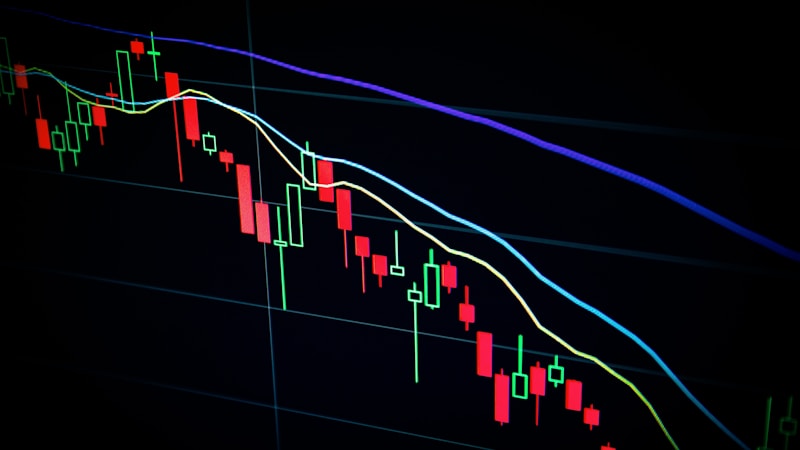
FII Selling Meets DII Buying — The Numbers First
Net FII outflows hit ₹5,616.56 crore on June 3, continuing a selling streak that has now erased ₹55,963 crore in cumulative FII equity flows through May. On the same session, domestic institutional investors — mutual funds, insurance companies, pension allocators — bought ₹5,740.89 crore, a near-perfect offset that kept NSE: NIFTY and NSE: SENSEX from breaking down. The one-day delta between FII selling and DII buying: roughly ₹124 crore. That's how thin the support is.
This isn't a rally. It's a stalemate. The NIFTY has largely traded in a 300-point band through this period, which looks like stability on a chart but masks an unusual structural tension: foreign capital is leaving, and domestic SIP-driven flows are the only reason the exits aren't louder.
For context, India's domestic mutual fund industry crossed ₹20,000 crore in monthly SIP inflows earlier this year. That sustained retail participation has effectively created a buyer of last resort — one that doesn't react to dollar strength or Fed commentary the way a foreign desk does.
What Heavy Institutional Selling Means for Large-Caps
The stocks bearing the heaviest cross-institutional traffic are predictably the most liquid names. [HDFC Bank](/stock/HDFCBANK) (NSE: HDFCBANK), [ICICI Bank](/stock/ICICIBANK) (NSE: ICICIBANK), and [State Bank of India](/stock/SBIN) (NSE: SBIN) collectively account for a significant slice of both FII portfolio weight and DII accumulation targets. When FIIs rotate out of India, these names take the first hit on volume. When DIIs step in, they buy the same names — because index mandates don't offer much discretion.
[Reliance Industries](/stock/RELIANCE) (NSE: RELIANCE) is a separate case. Its ownership structure, with promoter holdings above 50%, limits the float available to institutional players. That actually insulates it from the worst of FII-driven volatility, though it also caps how much DII buying can meaningfully move t...
AI-generated market intelligence. Not investment advice.