DII Buying Holds Market as FII Outflows Bite
Foreign investors pulled ₹5,834.90 crore earlier this week while DIIs absorbed the pressure. Defensives are where the smart money is quietly moving.
market · 9 May 2026 · 4 min read
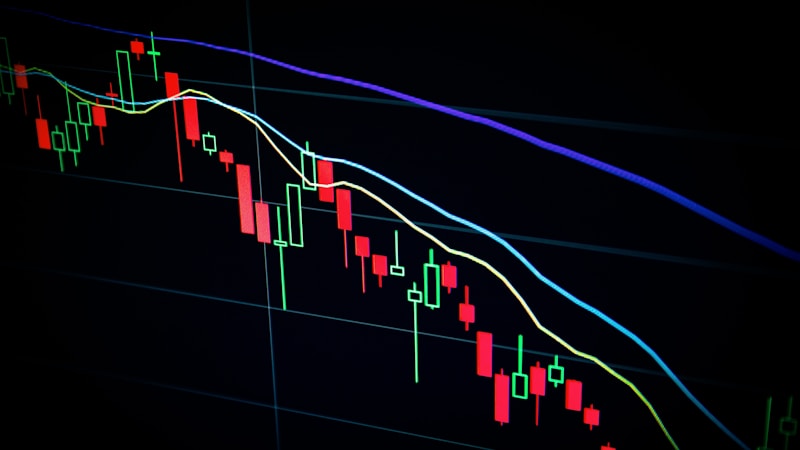
DII Buying Cushions Market as FII Outflows Persist
The numbers tell a clear story. Foreign Institutional Investors were net sellers to the tune of ₹340.89 crore on May 7, extending a bruising week that saw ₹5,834.90 crore exit Indian equities in prior sessions. Domestic Institutional Investors stepped in with ₹441.07 crore in net purchases on the same day, enough to prevent a sharper selloff but not enough to reverse the underlying pressure. When FII outflows run this deep and this consistent, DII buying is a stabilizer, not a catalyst.
What's driving the foreign exit? Two things, primarily. Crude oil near $99 per barrel is a direct tax on India's current account deficit, and it raises inflation expectations at a time when the RBI has limited room to cut rates aggressively. Geopolitical instability across West Asia compounds this. That region supplies a substantial share of India's energy imports, and when it's in turmoil, risk-adjusted returns on Indian equities start looking less attractive to global allocators managing dollar-denominated portfolios. This isn't panic selling. It's a methodical rotation out of emerging market risk.
The rational response from domestic investors has been to move capital toward sectors that don't depend on a benign macro backdrop to deliver earnings. That means FMCG and Pharma. The rotation is visible, it's accelerating, and it's worth understanding in detail before deciding whether to follow it.
Sector Rotation: Why FMCG and Pharma Are Attracting Capital
[Hindustan Unilever](/stock/HINDUNILVR) (NSE: HINDUNILVR) and [Sun Pharmaceutical Industries](/stock/SUNPHARMA) (NSE: SUNPHARMA) are natural anchors in a defensive rotation. HINDUNILVR trades at a premium — the stock has historically commanded 50x-plus trailing earnings — but that premium reflects something real: volume-driven revenue streams, pricing power in staples that consumers don't cut even in a downturn, and a distribution network reaching roughly 9 million retail outlet...
AI-generated market intelligence. Not investment advice.